You Don't Get to Just Disappear: Why Streamers Owe Their Fans a Proper Goodbye

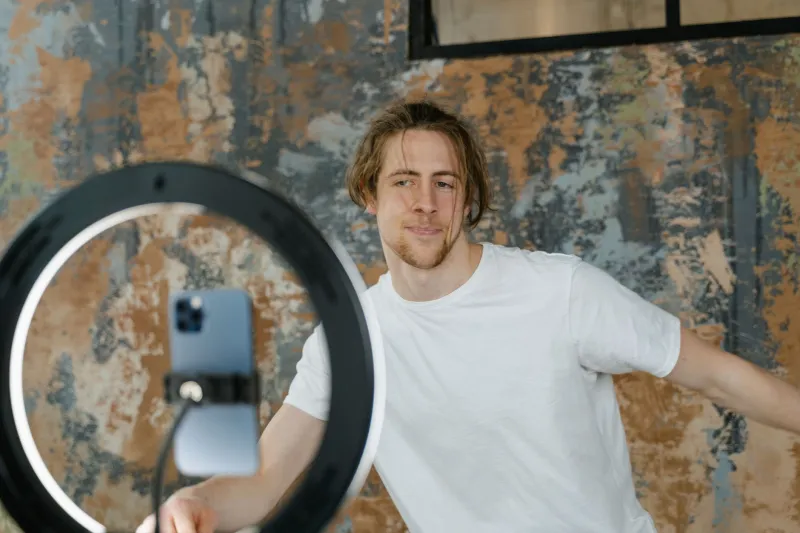
Photo by Photo by Nubelson Fernandes on Unsplash on Unsplash
Let's be real for a second. When your favorite streamer vanishes without a word — streams stop, posts dry up, Discord goes quiet — it doesn't feel like a content gap. It feels like a breakup you didn't see coming. And just like a real breakup, the lack of closure is often worse than the ending itself.
This isn't a niche complaint from parasocial weirdos (we'll get to that label in a minute — it's more complicated than people think). This is a widespread experience affecting millions of viewers who built genuine habits, communities, and emotional investments around a creator's work. When that creator vanishes or radically pivots without so much as a "hey, things are changing" post, they're not being mysterious or protecting their mental health. More often than not, they're just being careless with the people who funded their entire livelihood.
The Parasocial Cop-Out
Here's the thing: the second fans express hurt over a streamer going dark, someone in the comments is always ready with the "it's just parasocial, touch grass" dismissal. And yeah, parasocial dynamics are real and worth examining. But using that term as a weapon to invalidate fan feelings? That's intellectually lazy.
Psychologists who study media relationships have been pretty clear that one-sided emotional bonds with public figures aren't inherently unhealthy. They become problematic at extremes — obsession, boundary violations, that kind of thing. But a viewer who tuned in five nights a week for two years, donated to charity streams, bought merch, and recruited their friends to the community? That person formed a real habit loop around a real relationship with content. When it ends without explanation, the confusion and hurt they feel is legitimate.
Creators built their platforms on that loyalty. Dismissing it the moment it becomes inconvenient is, frankly, a bad look.
What "Going Dark" Actually Does to a Community
Take any mid-to-large streaming community and quietly remove the creator for 60 days with zero communication. What you get isn't just a dip in engagement metrics. You get active fan communities fragmenting, Discord servers turning into speculation forums, Reddit threads cycling between concern and conspiracy, and a slow erosion of the trust that took years to build.
Fans interviewed for this piece described experiences ranging from mild frustration to genuine grief-adjacent emotions. One Twitch viewer who asked to stay anonymous described following a gaming streamer for nearly three years before the creator simply stopped. "There was no final stream, no post, nothing. I kept checking back for months. I felt stupid for caring, but I also couldn't help it. That was part of my daily routine."
Another fan described watching a creator she'd followed pivot from mental health advocacy content to a luxury lifestyle brand overnight — no explanation, no acknowledgment of the audience she'd built. "It felt like being used and then discarded. Like all those vulnerable conversations she'd had with us meant nothing the second a brand deal came through."
These aren't edge cases. This is the norm.
The Creator Side Is Complicated — But Not That Complicated
To be fair, creators aren't always disappearing out of selfishness. Burnout is real and brutal in this industry. Mental health crises don't come with advance notice. Family emergencies happen. Sometimes a person genuinely cannot communicate because they're barely keeping it together.
And that's completely valid.
But there's a meaningful difference between "I needed to step away suddenly for personal reasons" and a creator who's been quietly building a new brand direction for six months and just... never bothered to loop in their audience. One is a human being in crisis. The other is a business decision that disrespects the community as stakeholders in your career.
Streamers who've handled major transitions well — and they exist — tend to have a few things in common. They communicate early, even if vaguely. They acknowledge that change affects their audience. They give people a chance to adjust. And they don't pretend the old version of their content never existed.
A Framework That Actually Works
So what does a good "streamer breakup" or transition actually look like? Here's a rough framework that respects both the creator's autonomy and the community's investment:
Give a heads-up, even a vague one. You don't owe anyone your personal details. But "I'm going through some changes and need to step back for a while" is infinitely better than silence. It takes five minutes to post.
Acknowledge the community's role. Your audience didn't just watch you — they built you. A simple "I know this affects a lot of you and I want you to know I see that" goes a long way.
Set a timeline if you can. Even a rough one. "I'm taking a break for at least a month" gives people something to work with instead of leaving them in indefinite limbo.
Don't ghost the community infrastructure. If you're stepping back, say something in your Discord. Pin a message. Let a mod know. Don't just let your entire community ecosystem decay in silence while you figure out your next move.
If you're pivoting, own it. Changing your content direction is totally fine — creators evolve, audiences evolve. But pretending your old community never existed while chasing a new demographic is cowardly. Acknowledge the shift. Some people will leave, and that's okay. The ones who stay will respect you more for being straight with them.
Why This Matters Beyond Individual Creators
This isn't just about one streamer ghosting one community. It's about the standards we set for an industry that's still figuring out its own ethics.
Traditional media — TV networks, film studios, record labels — has always had intermediaries who managed the relationship between talent and audience. Those systems were flawed in plenty of ways, but they did include publicists, PR teams, and communications professionals whose entire job was to manage transitions, exits, and controversies with some degree of intentionality.
In the creator economy, that buffer doesn't exist. It's just a person and their audience, which means the responsibility for maintaining that relationship falls entirely on the creator. And a lot of creators — especially ones who blew up fast — never learned how to handle that responsibility because nobody taught them.
Platforms like Twitch, YouTube, and TikTok have no real incentive to enforce community communication standards. They benefit from the drama, the speculation, the return traffic when a creator comes back. The accountability, when it exists at all, has to come from the culture.
The Bottom Line
Your fans aren't entitled to your personal life. They don't get to demand explanations for every decision you make. But they do deserve basic respect — the kind you'd extend to anyone who showed up for you consistently, year after year, and helped you build something real.
Ghosting isn't mysterious. Pivoting in silence isn't a power move. It's just a failure to treat your community like the human beings they are.
You built your platform on their attention and their trust. The least you can do, when things change, is look them in the eye — metaphorically speaking — and tell them so.
Because silence isn't a vibe. It's just disrespect with better aesthetics.