Stream Smarter, Not Harder: How Creators Are Finally Learning to Take a Break Without Watching Everything Burn
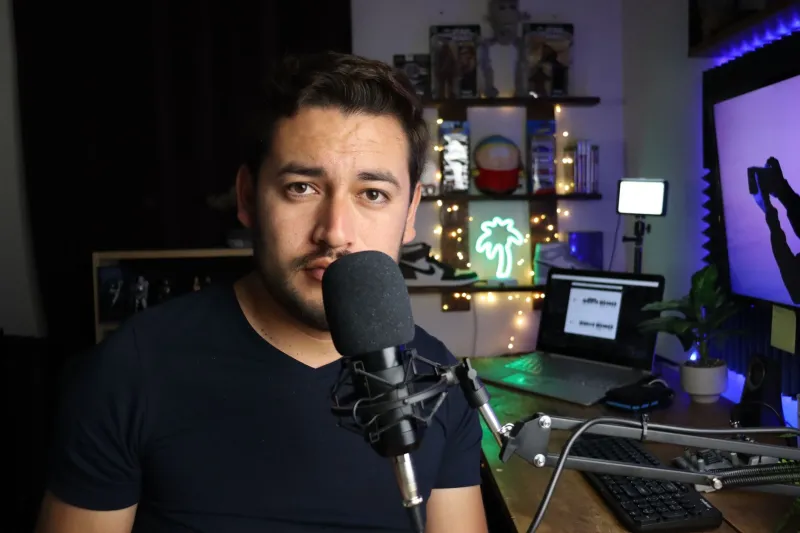
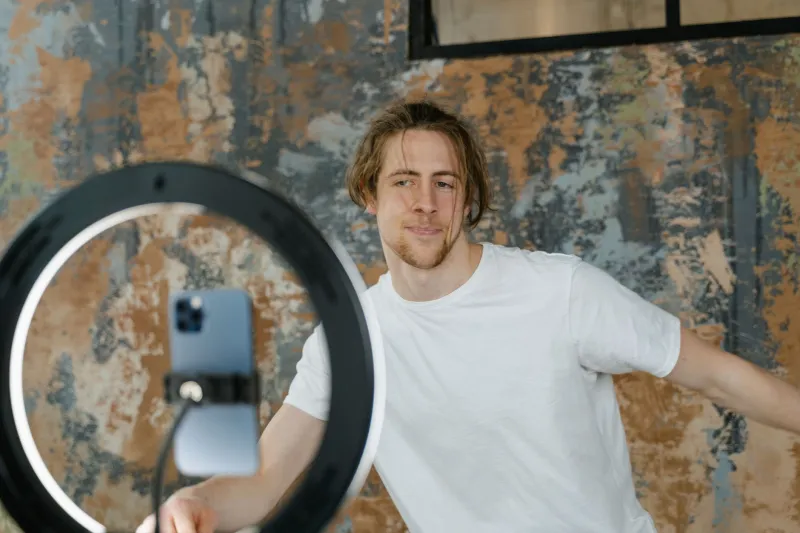
There's a particular kind of exhaustion that only content creators understand. It's not just being tired. It's the specific dread of knowing that the moment you stop producing, the algorithm starts forgetting you ever existed. It's the guilt of a community that's been showing up for you every single day, and the anxiety of wondering whether taking one weekend off will somehow unravel everything you've spent years building.
For a long time, the answer most streamers landed on was simple: don't stop. Ever. Push through it. Schedule another stream. Edit another video. Post another clip. And then, somewhere around the two or three year mark, a whole lot of them just... collapsed.
But something's shifting. Quietly, and not without some real trial and error, a new generation of creators is figuring out how to actually sustain a career in content without sacrificing their sanity. And the strategies they're using are smarter — and more human — than anything the hustle culture crowd ever told you.
The Burnout Nobody Sees Coming
Here's the thing about creator burnout: it doesn't announce itself. It creeps in disguised as a bad week, a creative block, a string of streams that just feel flat. By the time most creators realize what's happening, they're already running on empty and performing enthusiasm they stopped feeling months ago.
Dr. Asha Renner, a therapist based in Los Angeles who works specifically with digital creators and online personalities, describes it as a kind of chronic performance fatigue. "These creators are essentially running a one-person media company while also being the product," she explains. "There's no separation between the worker and the work. When the work suffers, they take it personally. When they suffer, the work immediately shows it."
The pressure is compounded by how algorithmic platforms actually function. Platforms like Twitch, YouTube, and TikTok reward consistency in ways that quietly punish any deviation from routine. Drop your upload frequency, and your reach contracts. Miss a few streams, and your average concurrent viewers dip. The data is brutal in its indifference, and it conditions creators to treat rest as a liability rather than a necessity.
The Transparency Play
One of the most effective strategies that mid-tier and top creators have started leaning into is radical honesty with their audiences — and it works better than most of them expected.
Instead of just going quiet or posting a vague "taking some time away" message that sends communities into a spiral of speculation, the creators who navigate breaks most successfully tend to frame it as a conversation. They tell their audiences what's going on, why they're stepping back, and — critically — what to expect while they're gone.
This approach does a few things at once. It respects the intelligence of a fanbase that already knows something's off when content quality dips. It builds genuine goodwill rather than just managing perception. And it gives the community something to hold onto instead of just a void.
The creators who've done this well often report being surprised by the response. Audiences, it turns out, are a lot more understanding than the anxiety-brain version of them that lives rent-free in every streamer's head.
Batching, Scheduling, and the Art of the Soft Pivot
For streamers who can't or don't want to go fully dark — even temporarily — there are structural changes that can dramatically reduce the grind without gutting output.
Content batching is one of the most talked-about approaches in creator circles right now. Instead of producing content in real time, day after day, creators block out intensive production periods and then schedule releases across a longer window. It's not a new concept — traditional media has worked this way forever — but it's taken the creator economy a surprisingly long time to fully embrace it.
The "soft pivot" is another tool in the kit. Rather than announcing a complete hiatus, some creators shift their content format temporarily to something less demanding. A daily vlog creator might move to weekly long-form content. A high-energy gaming streamer might do a few casual, low-stakes "just chatting" sessions instead of the full production they'd normally deliver. The audience stays engaged, the creator gets breathing room, and the algorithm doesn't completely crater.
Building a Team Before You Need One
One of the more uncomfortable truths about creator burnout is that a lot of it is structural, not just emotional. Many creators are doing jobs that would require a staff of five or six people at any traditional media company — writing, producing, editing, social media management, community engagement, brand partnerships — all by themselves.
The creators who seem to weather the long haul most successfully are the ones who started delegating earlier than felt comfortable. A video editor here, a community manager there. Even part-time help with scheduling and email can free up cognitive bandwidth in ways that compound over time.
Dr. Renner echoes this point from the mental health side. "The narrative that you have to do everything yourself, that asking for help is somehow cheating or selling out, is one of the most damaging beliefs in the creator space. It's also completely manufactured. Nobody builds anything significant entirely alone."
The Permission Problem
Maybe the most honest conversation happening in creator communities right now is about permission — specifically, the internal kind that nobody else can give you.
A lot of creators intellectually know they need rest. They know the hustle-till-you-drop model is unsustainable. They've watched peers flame out spectacularly and nodded along to every "creator burnout" video in their recommended feed. And then they still open their streaming software at midnight because they feel like they don't have the right to stop.
What's helping some of them break that cycle is reframing what sustainability actually means for their career. A creator who burns out and quits at year three is a worse outcome — for them, for their community, for the channels and platforms they built — than a creator who takes a month off every year and keeps going for a decade.
The math isn't complicated. The psychology is.
What Actually Works
Pull back the curtain on the creators who are genuinely navigating this well and a few consistent patterns emerge. They communicate early and often with their communities about capacity and expectations. They've built some structural support, even if it's minimal. They've gotten honest about what kind of content they actually enjoy making versus what they feel obligated to make. And they've stopped treating their audience as a metric to be managed and started treating them as actual people — who, as it turns out, mostly just want the creator they love to still be around in five years.
Streaming loud and bold doesn't have to mean streaming yourself into the ground. The creators figuring that out right now are the ones who are going to still be here when everyone else has logged off for good.