From Nobody to Somebody: How Bedroom Creators Are Outshining Hollywood's Biggest Names

Photo by Photo by Vitaly Gariev on Unsplash on Unsplash
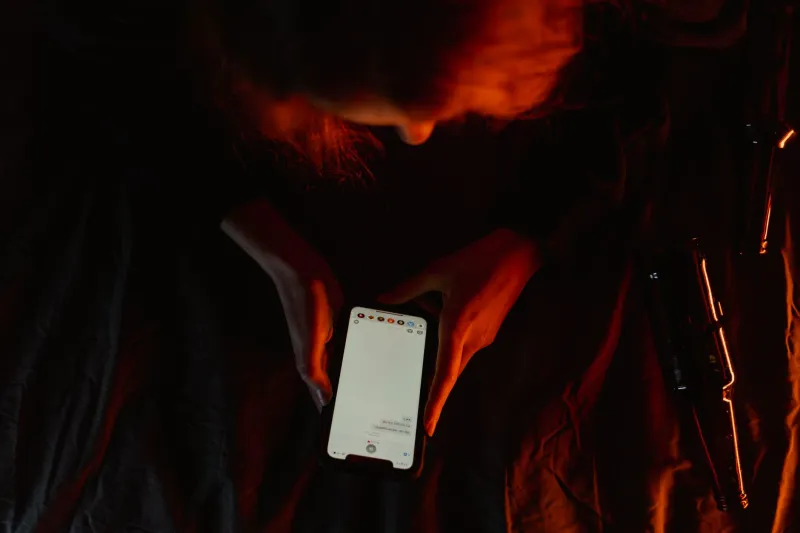
There's a kid somewhere right now sitting in a bedroom with ring light glare bouncing off their walls, talking into a camera to thousands of people who genuinely care what they think. No agent. No casting call. No studio executive deciding whether their face is "marketable enough." Just raw personality hitting a live feed — and somehow, that's enough to build a career that would make a lot of traditional celebrities sweat.
Welcome to the streaming glow-up era. It's messy, it's loud, and it's completely rewriting the rules of fame.
The Old Velvet Rope Is Gone
For decades, the entertainment industry ran on gatekeeping. You needed the right connections, the right look, and usually the right zip code. Hollywood, Nashville, New York — the geography of fame was limited. If you didn't break through those doors by a certain age, the dream was basically dead.
Streaming platforms dismantled that entire system. Twitch, YouTube, TikTok, and newer players like Kick have become the talent pipelines that traditional media never saw coming. They don't care if you went to Juilliard. They care if you can hold an audience's attention for longer than 30 seconds — and if you can do that consistently, you're already ahead of 90% of people trying to "make it."
The creators who've cracked this aren't necessarily the most polished or professionally trained. They're the ones who figured out how to be genuinely themselves on camera, which — as it turns out — is a skill most traditionally trained entertainers actively struggle with.
Case Study: Merchandise Empires Built on Vibes
Take the trajectory of mid-tier gaming streamers who, five years ago, were pulling in a few hundred concurrent viewers. Today, some of those same creators are running merchandise lines doing millions in annual revenue. Not because a brand discovered them. Not because a record label or studio took a chance. Because they spent years building a community that trusts them — and that trust converts.
The economics are genuinely wild. A traditional actor with a supporting role in a Marvel film might have 2 million Instagram followers who barely engage. A mid-level Twitch streamer with 400,000 subscribers can drop a limited hoodie run and sell out in 45 minutes. The difference isn't reach — it's relationship depth. Streaming culture creates intimacy at scale, and intimacy sells.
Creators like Pokimane built beauty brands. Ludwig Ahgren sold out live events. Valkyrae signed deals with 100 Thieves and became a part-owner before most traditional celebrities her age had moved past supporting roles. These aren't flukes. They're a pattern.
The Brand Deal Revolution
Corporate America noticed. And honestly, it took them embarrassingly long to catch on.
For years, major brands dumped money into celebrity endorsements — Super Bowl ads, magazine spreads, red carpet partnerships. Then the analytics started rolling in on influencer campaigns, and the ROI comparison was brutal. A creator with a dedicated audience of 500,000 people who watches their streams for three hours a day is a more powerful marketing vehicle than a movie star with 10 million passive followers.
Now brand deals are a primary revenue stream for A-tier creators, and the contracts have gotten serious. We're talking multi-year agreements, equity stakes, and creative collaboration — not just "post this photo with our product." G Fuel, NordVPN, and Raid: Shadow Legends became cultural punchlines specifically because they were everywhere in creator content, which means they were working well enough to keep spending.
The smarter brands have moved beyond the obvious gaming supplements and VPNs. Fashion labels, food brands, streaming services, and automotive companies are all cutting checks to creators who can deliver genuine enthusiasm to a hyper-engaged audience. That's a fundamentally different kind of celebrity endorsement than what we grew up watching during commercial breaks.
Personality Is the Product
Here's the thing nobody in traditional entertainment wants to say out loud: a lot of what Hollywood produces is built on manufactured personas. The PR team, the stylist, the carefully managed interview circuit — it's a machine designed to make someone seem relatable while keeping them at a controlled distance.
Streaming blew that up. When you're live for four hours, there's no managing the narrative. You're going to say something weird. You're going to laugh too hard at your own jokes. You're going to get frustrated, go on tangents, and have moments that would never survive a network TV edit. And audiences love it. That unfiltered quality is exactly what makes streaming personalities feel real in a way that most celebrities simply don't.
It also means the creators who last are the ones with genuine personality depth. You can fake charisma for a highlight reel. You cannot fake it for a 200-hour annual streaming catalog. The long-form nature of content creation is a relentless authenticity filter.
Cultural Influence That Rivals the Mainstream
The reach of top-tier creators now genuinely rivals traditional media figures — and in some demographics, it dominates. Ask a 19-year-old who MrBeast is and they'll give you a biography. Ask them about a network television host and you might get a blank stare.
This cultural influence extends beyond entertainment. Creators are shaping language, fashion trends, political awareness, and consumer behavior in ways that used to be exclusively the domain of major media outlets and celebrity culture. When a streamer with 8 million subscribers expresses an opinion, it moves. That's power — and it's power that was built without a single Hollywood handshake.
The traditional entertainment industry is adapting, slowly and awkwardly. Studios are signing YouTubers to development deals. Netflix is licensing content from creators. Talent agencies are scrambling to rep people they ignored five years ago. It's a little bit desperate-looking, honestly.
What Comes Next
The streaming glow-up isn't slowing down. If anything, the pipeline is getting more sophisticated. Creator accelerator programs, streaming-native studios, and platform investment funds are all pouring resources into the next generation of digital talent.
The interesting question isn't whether creators can become A-list celebrities — they already have. The question is whether the traditional entertainment industry can survive becoming irrelevant to an entire generation that grew up watching people they felt like they actually knew.
For the kid with the ring light and the camera? The gate's wide open. Stream bold.